Gastrointestinal cancer(Stomach cancer)
- HOME
- Cancer(View by Body Part)
- Gastrointestinal cancer(Stomach cancer)
- Continuing Chemotherapy for Gastric Cancer with Confidence— Latest Treatments and Strategies to Enhance Safety, Explained by a Best Doctors®-Selected Medical OncologistContinuing Chemotherapy for Gastric Cancer with Confidence
Continuing Chemotherapy for Gastric Cancer with Confidence— Latest Treatments and Strategies to Enhance Safety, Explained by a Best Doctors®-Selected Medical OncologistContinuing Chemotherapy for Gastric Cancer with Confidence
26.01.27
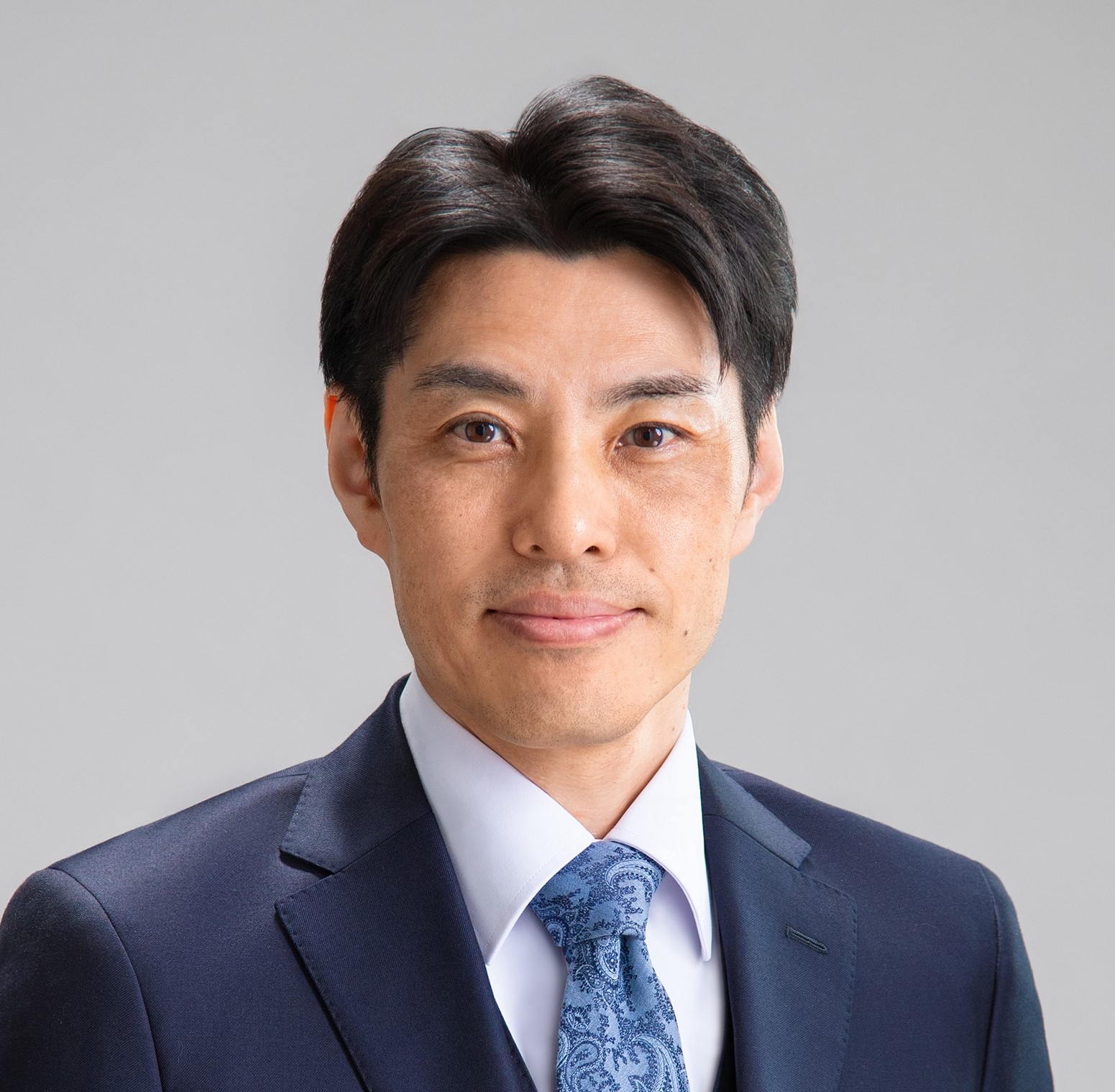
Article supervised by:
Yasuo Hamamoto, MD, PhD
Professor and Head, Department of Clinical Oncology,
Institute of Science Tokyo Hospital
After graduating from the School of Medicine at Sapporo Medical University,
Dr. Hamamoto served at the National Cancer Center Hospital East and the Cancer Center of Keio University School of Medicine before assuming his current position.
He has been selected for Best Doctors® continuously for eight consecutive terms since 2010.
As is well known, Japan is one of the countries with the largest number of gastric cancer cases worldwide and has accumulated extensive clinical experience over many decades. Gastric cancer was once referred to as a “national disease” in Japan. However, thanks to the widespread implementation of screening programs and continuous advances in medical technology, mortality from gastric cancer has declined markedly in recent years.
How Gastric Cancer Chemotherapy Has Evolved— The Increasing Importance of Personalized Treatment
Drug therapy for gastric cancer has made remarkable progress in recent years.
In addition to conventional cytotoxic chemotherapy, treatments with different mechanisms of action—such as molecular targeted agents and immune checkpoint inhibitors—are now used in combination. This has enabled more precise and individualized treatment strategies.
At the same time, as the number of available agents increases, the way treatment regimens are designed becomes increasingly important. There is no single treatment that is suitable for every patient. Instead, comprehensive decision-making is required, taking into account each patient’s physical condition, tumor characteristics, living environment, and personal preferences regarding treatment.
As a physician specializing in pharmacological treatment for gastric cancer, I place particular emphasis on the following points:
1. Evidence-Based Drug Selection and Effective Treatment Strategies

There are multiple standard treatment options available for gastric cancer chemotherapy, and the range of choices is broad.
For example, some cytotoxic chemotherapy agents suppress tumor cell proliferation but may also be associated with significant side effects. Molecular targeted therapies act on specific proteins and can be highly effective, yet they may carry characteristic toxicities. Immunotherapy offers the potential for durable remission, but careful attention to immune-related adverse events is essential.
In my clinical practice, I use scientific evidence as the foundation of treatment decisions, while also carefully evaluating—through clinical reasoning and informed by prior experience:
- which drugs are most likely to be effective in a given clinical setting,
- which adverse effects a patient is most likely to experience based on individual constitution, and
- which treatment schedules can be integrated into daily life without undue burden.
By doing so, I place the highest priority on optimizing standard treatments for each individual patient.
2. Managing Side Effects of Gastric Cancer Chemotherapy — Fine-Tuned Adjustments and a Comprehensive Support System to Sustain Treatment
In gastric cancer treatment, how medications are used can make a meaningful difference in a patient’s overall condition. With the same drugs, side effects can vary substantially depending on dose, dosing intervals, treatment combinations, and the use of supportive care.
Common adverse effects seen in gastric cancer treatment—such as nausea, diarrhea, fatigue, bone marrow suppression, hand–foot syndrome, and skin rashes—can often be controlled effectively through preventive measures and early intervention.
In my practice, I work closely with certified nurse specialists, pharmacists, clinical psychologists, and, when appropriate, registered dietitians to support the overall treatment environment. My aim is to help patients continue treatment safely and sustainably. This is because the continuation of treatment is closely linked to overall treatment outcomes.
3.Treatment as Part of Everyday Life— Designing an Overall Treatment Schedule to Sustain Gastric Cancer Chemotherapy Without Undue Burden

Chemotherapy has a significant impact on a patient’s daily life. For this reason, when developing a treatment plan, I consider not only medical considerations but also various aspects of daily life. These include work and family commitments; distance to the hospital and transportation options; dietary status and changes in body weight; caregiving responsibilities; available social support; and the balance between outpatient and inpatient care.
With chemotherapy, there is a cyclical pattern consisting of periods when the medication is most effective, periods when side effects are more pronounced, and periods when patients are able to return to their usual daily activities. Designing treatment around a patient’s lifestyle and creating a rhythm that allows therapy to be continued without excessive strain is also an essential role of the physician.
4.Chemotherapy Selection Based on Geriatric Assessment to Support Gastric Cancer Treatment in Older Adults
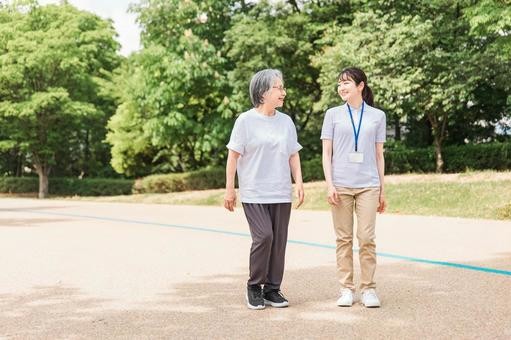
Gastric cancer commonly affects older adults; however, elderly patients cannot be treated as a single, uniform group. While some individuals remain very fit even at the age of 80, others may have multiple comorbidities in their 70s.
For this reason, I use Geriatric Assessment (GA) to determine the optimal intensity of treatment based on scientific evidence. This approach allows appropriate adjustment of the initial chemotherapy dose, helps avoid toxicity caused by overdosing, and prevents insufficient dosing that may lead to reduced treatment effectiveness.
In older patients, continuing treatment safely at an appropriate intensity is directly associated with treatment outcomes.
5.Shared Decision-Making with Patients: Toward Gastric Cancer Treatment Chosen with Confidence

The goals of gastric cancer treatment are to control the tumor, improve symptoms, and maintain quality of life. The priority given to each of these goals differs from one patient to another.
I always explain the potential benefits and drawbacks of treatment, its impact on daily life, and the effects that may be achieved, and then select the treatment strategy together with the patient and their family. It is important to share not only “which treatment to choose,” but also “how to approach treatment.”
Maximizing the Potential of Pharmacological Treatment for Gastric Cancer
Pharmacological treatment for gastric cancer is complex; however, when it is properly designed, it can significantly extend the period during which patients are able to continue treatment.
As medical oncologists, we aim to maximize the potential of treatment by understanding the characteristics of each drug, considering each patient’s background from multiple perspectives, and providing highly precise and individualized care.